Menopause And Urinary Incontinence: Reasons And Therapies
Menopause And Urinary Incontinence
Reduce on foods and drinks that aggravate your bladder, such as zesty foods, tomato-based items, alcohol, and caffeine. You must likewise keep a healthy weight so your pelvic floor does not experience added pressure from excess weight. Your pelvic floor muscles regulate when you invalidate your bladder and hold Daytime wetting your pelvic body organs in place.Make an appointment with Dr. Allison Wyman for treatment alternatives if you have urinary incontinence. Preventing cigarette usage supports total urological wellness and lowers dangers of problems. A well balanced diet rich in fruits, veggies, and whole grains supports hormonal agent balance and urinary system function. Imaging examinations, such as ultrasounds or MRIs, may be made use of to inspect the bladder, prostate, and kidneys. Urodynamic research studies evaluate just how well the bladder and urethra store and release pee.

Estrogen plays an essential duty in preserving the toughness and adaptability of the pelvic floor muscles, bladder, and urethra. As hormonal agent degrees drop, these tissues may damage, bring about much less control over urination. A number of treatment alternatives exist for managing urinary incontinence throughout menopause. Menopause creates a drop in estrogen, which influences the bladder, urethra, and pelvic floor muscle mass.
Should I Drink Less Water Or Various Other Fluids If I Have Urinary Incontinence?
A lady's urological wellness is deeply attached to her hormone cycles, especially during pregnancy, perimenopause, and menopause. During pregnancy, climbing progesterone degrees trigger the pelvic tendons and muscle mass to unwind. When you integrate this loosened up pelvic floor with an expanding baby resting on the urinary tract, this mix of shifting hormones and bladder stress greatly raises the frequency of leaks and urges.
What Are Some Nonsurgical Treatments For Impulse Incontinence?
Actually, 40-57% of postmenopasual ladies have signs of vaginal degeneration, and on the urinary system incontinence side, more than 50% of older ladies experience it. Pelvic floor workouts, bladder training, remaining hydrated, and keeping a healthy and balanced weight can aid. Prevent bladder toxic irritants and speak to your physician about treatment choices.
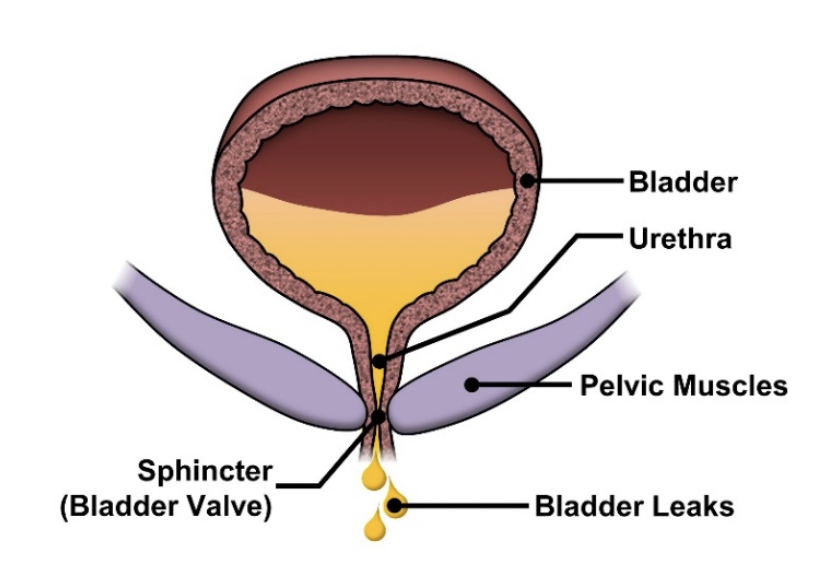
Kegel exercises entail relaxing and tightening up the pelvic flooring muscles. The pelvic flooring muscle mass, which are located in between the tailbone and the pubic bone inside of the hips, help control the flow of pee. Stress and anxiety urinary incontinence takes place when the pelvic flooring muscle mass come to be weak. Indication consist of urine leak when giggling, sneezing, coughing or raising things. Advise urinary incontinence (over active bladder) is brought on by extremely energetic or irritated bladder muscle mass.
Why Does Menopause Boost The Danger Of Bladder Leaks?
- Bladder problems prevail amongst perimenopausal females and it may intensify their quality of life, however it doesn't have to.
- Estrogen decline can additionally result in weakness in your pelvic floor, the collection of muscles and ligaments that create a supportive sling for your bladder and various other pelvic body organs.
- Initially, reduced testosterone can add to a loss of muscular tissue mass, consisting of the weakening of the pelvic flooring muscular tissues, which increases the danger of urinary incontinence.
- Let's discuss what else may be happening and then locate some reliable methods to handle it.
- There is no doubt that menopause, aging, and UI relate, but there is still much to learn about the underlying factors and sensible therapy options.