Biochemistry, Lipolysis Statpearls Ncbi Bookshelf
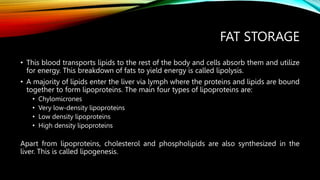
Do Fat Cells Expand And Rupture With Rapid Weight Gain? During the fasting state, fatty acids are oxidized in the liver to acetyl CoA, which converts to the ketone bodies acetoacetate and beta-hydroxybutyrate. These high levels of ketones also hinder PDH task and fatty acid oxidation, to preserve sugar and permit entrance into the brain where they can act as sources for energy. Normally throughout a fast, muscle mass metabolizes ketone bodies as rapidly as the liver launches them stopping their accumulation in the blood. The liver synthesizes VLDLs in the liver and transport TAGs from the liver to cells in the same way. HDLs have multiple functions relative to lipid metabolism, including offering an important role in the conversions of VLDL to LDL. HDL also serves as a reservoir for crucial apoproteins such as Apo C-II.
- Normally throughout a quick, muscle mass metabolizes ketone bodies as quickly as the liver launches them preventing their buildup in the blood.
- Your provider can also assist you establish reasonable objectives for weight management or weight gain.
- ATP, as a matter of fact, is the only particle able to give power to muscle mass fibers to power muscle contractions.
- It is the key path for catabolism of fats and takes place in the mitochondrial matrix of cells such as the liver, muscle mass, and adipose.
- These cells arise within white fat depots under specific conditions-- such as cool direct exposure or details hormonal signals-- and gets a few of the heat-producing residential or commercial properties of brownish fat.
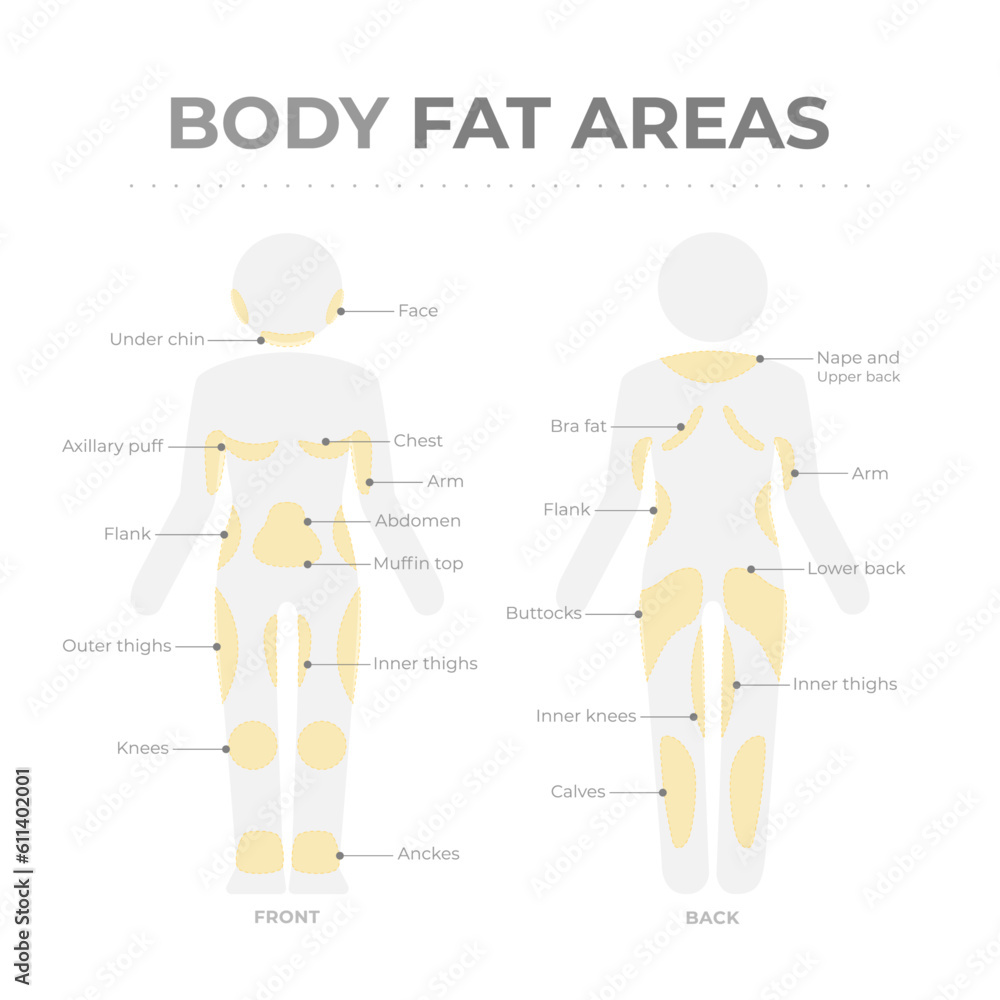
Influence Of Excess Fat On Significant Body Organs
What are the most significant fat loss mistakes?
- Remember: your drop in weight does not constantly reflect fat loss.Mistake 2: overestimating calories burned.Mistake 3: not getting enough protein.Mistake 4: relying upon cardio.Mistake 5:
- missing sleep and recovery.Mistake 8: not tracking your intake.Ready to act? Using a pedometer to track your actions. & #x 201c; After regarding 30 to 60 minutes
- of cardio workout, your body starts shedding primarily fat, & #x 201d; Dr. Rifai explains.( If you're exercising reasonably, this takes
regarding an hour. )If all that workout feels out of grab you, begin slow and construct your way up.